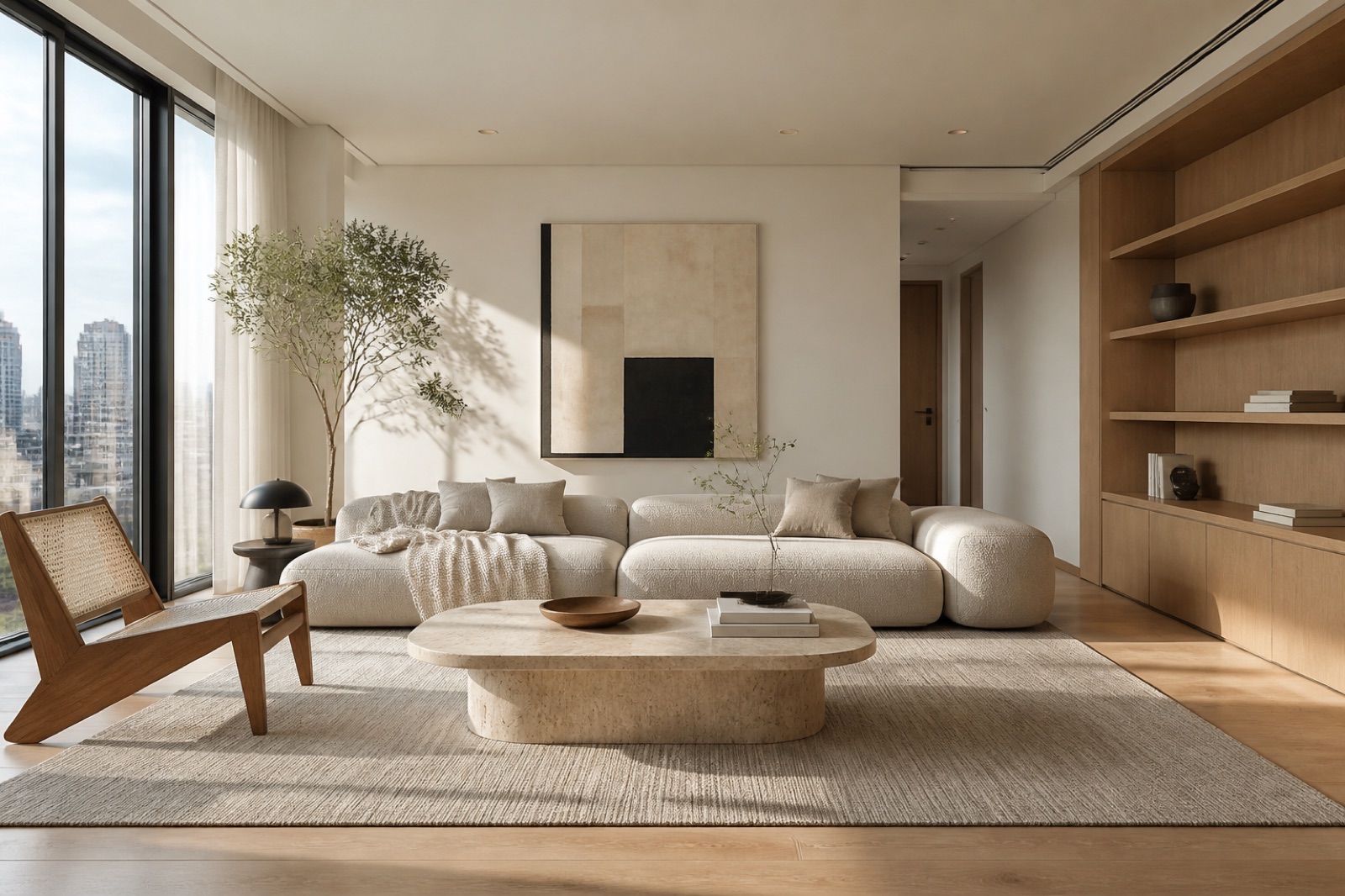
Start Scandinavian Interior Design AI with Your Actual Room
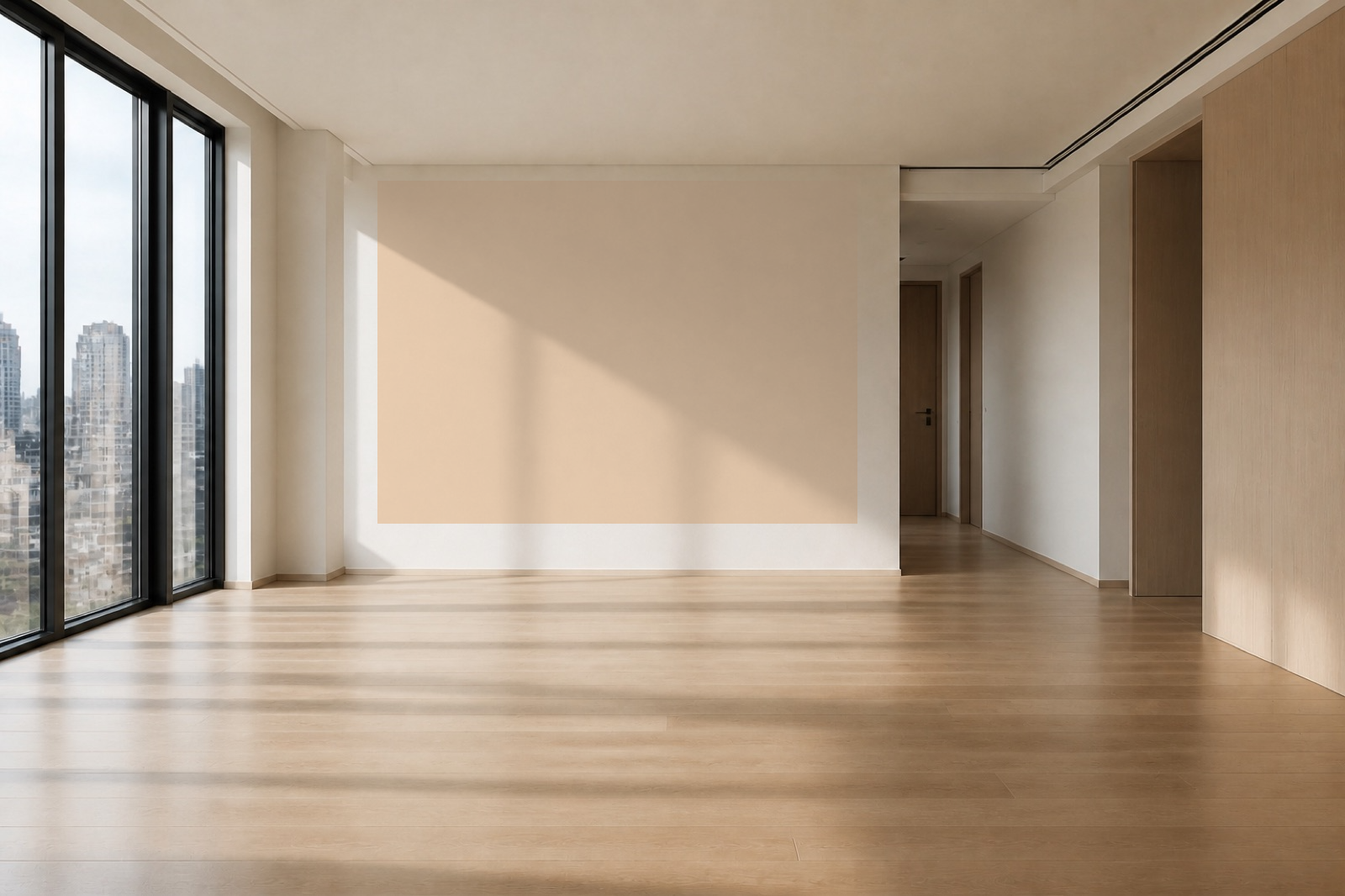
Start Scandinavian interior design AI with a clear photograph that shows the floor, main furniture and fixed openings. A calm-looking example is less useful when it ignores the room you live in. Write down what stays before changing the style: the existing sofa, warm timber floor, built-in wardrobe or the route from the door to the window.
Give Scandinavian interior design AI one everyday purpose, such as a reading-focused lounge or a bedroom with clearer clothing storage. This keeps the brief grounded in use rather than a collection of pale objects. Look at the room from the entrance as well as the main seat, and identify the feature that should lead the first comparison.
Use Scandinavian Interior Design AI to Compare Materials
Ask Scandinavian interior design AI to explore one dominant timber tone, a quiet wall color and a small number of tactile fabrics. Pale oak, warm off-white, wool upholstery and a linen curtain provide a concrete starting brief. A darker lamp or frame can define the composition without requiring every surface to become a contrasting feature.
Keep physical samples beside Scandinavian interior design AI concepts when you develop the scheme. An off-white wall can look different beside honey-colored flooring than it does in a separate swatch. Compare the large surfaces together in daylight and after dark, and use the image to choose a direction rather than an exact paint code or purchasable fabric.
Keep Scandinavian Interior Design AI Focused on Useful Space
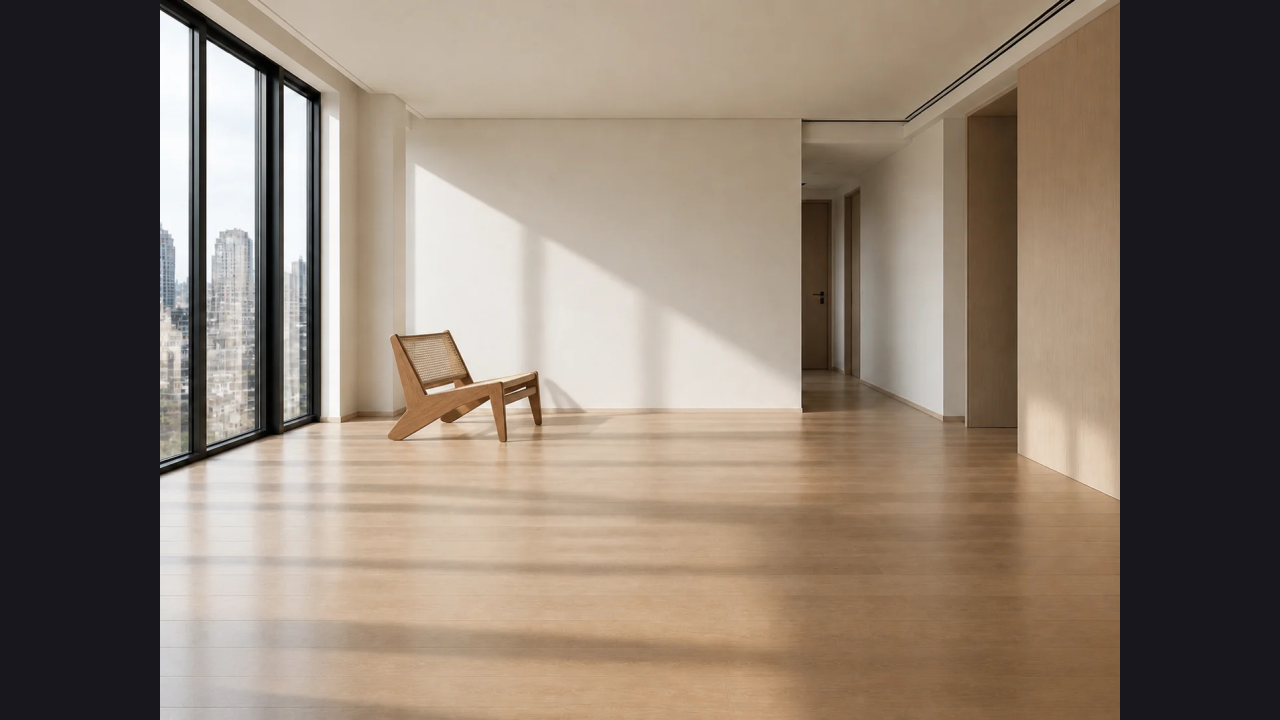
Give Scandinavian interior design AI a storage and circulation brief as well as a palette. A low cabinet can settle everyday clutter; a lighter-looking chair may leave more floor visible. Keep the path between doors and the main seat clear in the proposal, then measure the real furniture and clearances before treating the arrangement as practical.
In a shared room, describe which activity happens most often and which features must remain available. A lounge may need toy storage, a desk or a place for guests. The quieter direction should not simply make those needs disappear. Inspect the concept for a plausible relationship between open space, closed storage and the objects used on an ordinary day.
Compare Scandinavian Interior Design AI Lighting and Texture
Use Scandinavian interior design AI to compare soft daylight with a warmer evening mood while retaining the same material brief. Notice the relationship between the rug, upholstery, wall and timber fronts. A neutral palette can still have useful contrast through texture, scale and a small dark detail, rather than a larger collection of nearly identical beige accessories.
A generated lighting mood does not establish how a real fitting will perform. Judge whether the concept places visual emphasis where you want it, such as a reading chair or the bed wall. Then check actual glare, privacy, lamp placement and screen reflections in the room, using real samples and equipment when those details affect daily use.
Refine Scandinavian Interior Design AI One Choice at a Time
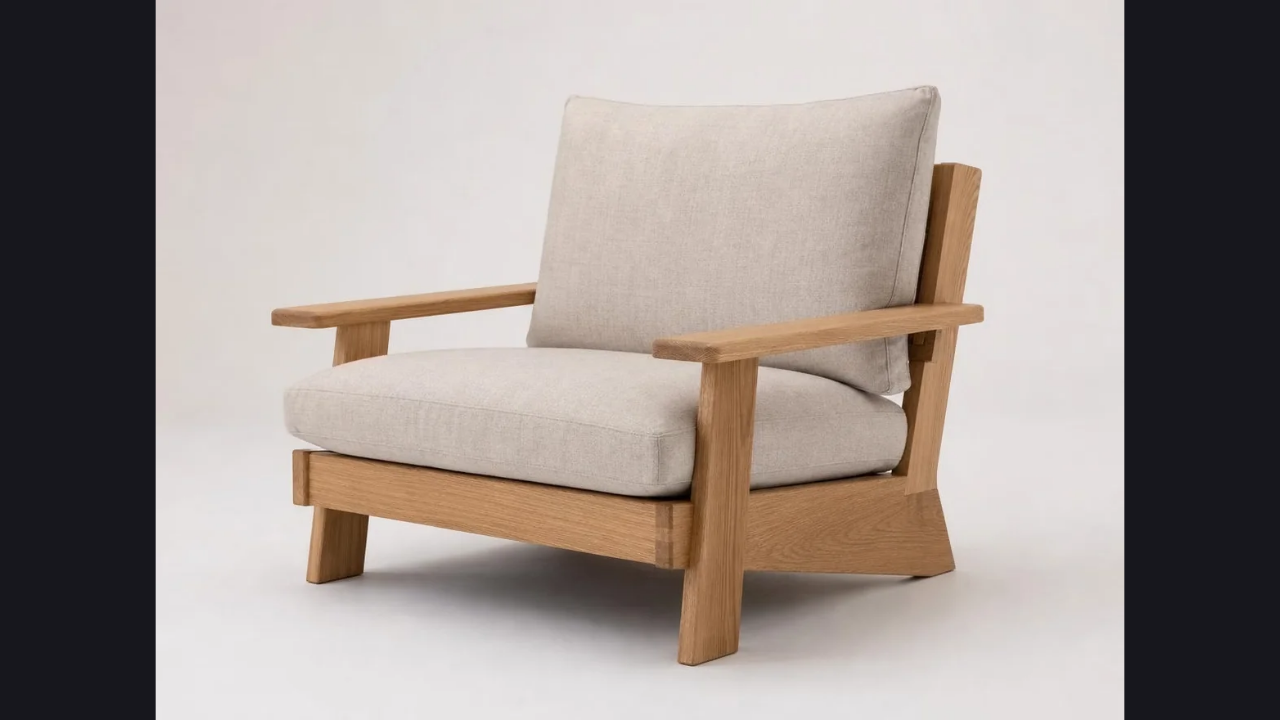
Keep the source photograph and most of the instructions stable when refining Scandinavian interior design AI ideas. Compare cream upholstery with muted green, or a textured rug with a quieter alternative. A single change makes it easier to see which decision improved the room, while several simultaneous changes can obscure the reason you prefer the second image.
Review Scandinavian interior design AI results against the original window, door and retained furniture before saving a direction. The instructions guide the image but do not guarantee exact preservation. If an appealing concept adds an opening or replaces a piece you must keep, return to the original source and describe that constraint more clearly in the next brief.
Turn Scandinavian Interior Design AI into a Practical Brief
Save the Scandinavian interior design AI concept with the original photo and a short list of useful decisions. Identify the timber relationship, storage character, fabric texture and lighting mood you want to develop. This gives a supplier or designer a clearer conversation than asking them to copy every generated object, which may not correspond to an actual product.
Use the selected Scandinavian interior design AI direction to organize the next steps: measure furniture, compare real materials and confirm what can change in a rented or shared property. Start with the large surfaces and pieces that establish the room. Choose smaller accessories later, once the core arrangement and material relationships work with the space you actually have.
A starting prompt to adapt
Restyle this living room with pale timber, warm off-white walls, layered natural-looking textiles and restrained dark details. Keep the existing doors, windows, floor and sofa. Add useful closed storage, one reading chair and a quiet rug. Preserve the route from the entrance to the window, keep the original camera view and use soft daylight. Avoid adding objects that obscure the main walking route.